Vintage Frame Fonts and Their Role in Modern Design Workflows
The Appeal of Vintage Frame Fonts
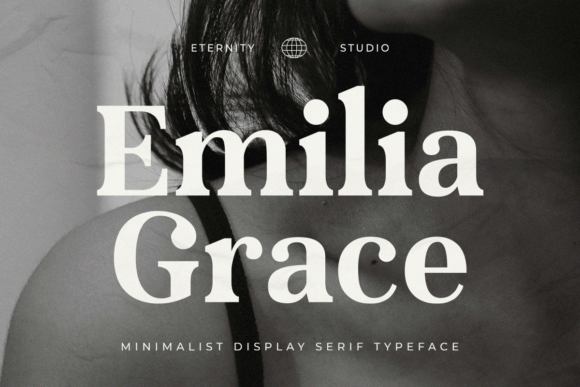
Vintage frame fonts have been making a comeback in recent years, adding a nostalgic charm to digital and print projects alike. These fonts often feature ornate serifs, intricate detailing, and a sense of historical elegance that can transform any design. Whether you're working on branding, invitations, or illustrations, vintage frame fonts offer a unique way to evoke a bygone era.
One of the most appealing aspects of these fonts is their ability to blend seamlessly with both traditional and modern design elements. They work particularly well with vintage frame images, which are commonly used in retro-themed projects. The combination of a vintage frame image and a matching font can create a cohesive and visually striking composition.
Types of Vintage Frame Fonts: OTF, TTF, and More
Vintage frame fonts come in various formats, including OpenType Font (OTF) and TrueType Font (TTF). Each format has its own advantages depending on your design software and workflow. OTF files are widely supported and often include advanced typographic features such as ligatures and alternate characters, which can be especially useful when creating detailed designs.
- OTF Fonts: Ideal for professional design applications like Adobe Illustrator or Affinity Designer. They offer greater flexibility and control over typography.
- TTF Fonts: Compatible with a wide range of platforms and software, making them a versatile choice for both beginners and experienced designers.
When choosing between OTF and TTF, consider the specific needs of your project. If you're using Affinity Photo or Affinity Designer, OTF fonts are generally recommended for their superior rendering capabilities and support for advanced typographic features.
Using Vintage Frame Fonts in Procreate and Affinity
Designers who use Procreate or Affinity Designer may find that vintage frame fonts add a unique flair to their work. In Procreate, while the app doesn't natively support custom fonts, you can import them by converting them into PNGs or using third-party plugins. This allows you to incorporate vintage frame fonts into your illustrations and sketches.
Affinity Designer, on the other hand, supports OTF and TTF fonts directly, making it an excellent choice for those who want to experiment with vintage frame fonts in vector-based projects. The precision and scalability of vector graphics ensure that your text remains crisp and clear at any size.
In Affinity Photo, vintage frame fonts can be used to enhance photo compositions. Whether you're adding captions, titles, or decorative elements, these fonts can help create a more engaging visual narrative.
Dingbats, Doodles, and Cartoon Fonts
Beyond standard typefaces, there's a growing trend toward using dingbats, doodle fonts, and cartoon-style fonts in design projects. These fonts are characterized by their playful and whimsical nature, often featuring symbols, icons, and stylized letterforms that mimic hand-drawn illustrations.
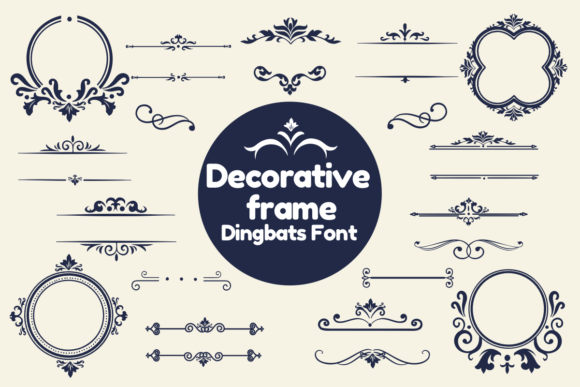
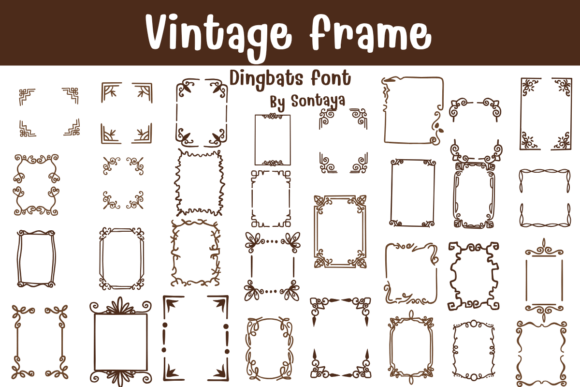
Dingbat fonts, in particular, are popular for creating decorative borders, accents, and special effects. They can be used to outline text, create frames around images, or add visual interest to otherwise plain compositions. When paired with a vintage frame image, dingbat fonts can produce a charming and cohesive look.
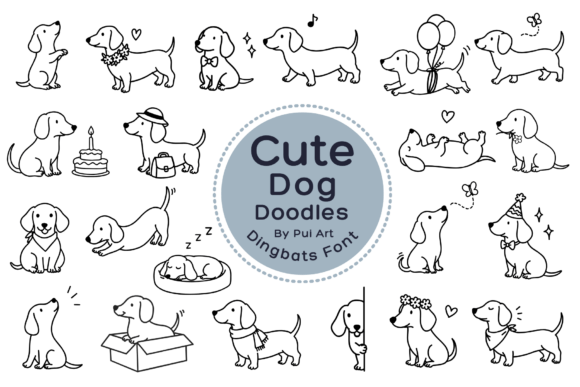
Doodle and cartoon fonts are ideal for children's books, greeting cards, and social media graphics. Their informal and expressive style makes them perfect for conveying a sense of fun and creativity. Many of these fonts are available in both OTF and TTF formats, ensuring compatibility with a wide range of design tools.
Coloring Outline and Vintage Frame Integration
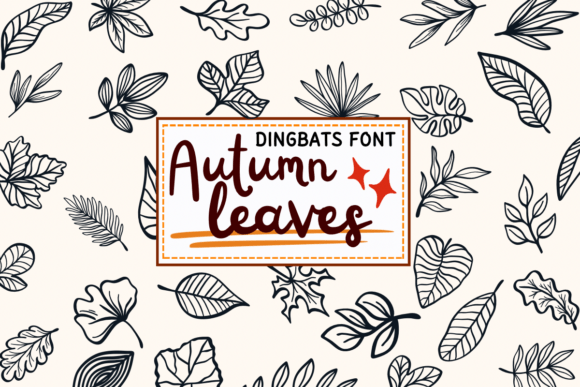
For those interested in coloring outlines, vintage frame fonts can serve as an excellent starting point. Coloring outline fonts typically consist of black-and-white line drawings that can be colored in manually or digitally. When combined with vintage frame images, they offer a unique opportunity to blend old-world charm with modern techniques.
Many artists and designers use coloring outline fonts in conjunction with vintage frame images to create layered compositions. For example, a vintage frame image of a classic car could be enhanced with a coloring outline font that adds text or decorative elements. This approach not only highlights the subject but also adds a personal touch to the design.
When working with coloring outline fonts, it's important to choose ones that complement the overall aesthetic of your project. A delicate, hand-drawn font may work best with a softly rendered vintage frame image, while a bolder, more structured font might be better suited for a high-contrast composition.
Practical Considerations When Choosing Vintage Frame Fonts
While vintage frame fonts can add a lot of character to your designs, there are several factors to consider before selecting one. First, think about the purpose of your project. Are you designing for a formal event, a casual blog post, or a commercial product? The tone and style of the font should align with the message you want to convey.
Another consideration is readability. While ornate fonts can be visually appealing, they may not always be the best choice for body text. It's important to strike a balance between aesthetics and functionality, ensuring that your text remains easy to read and understand.
Lastly, think about licensing and availability. Many vintage frame fonts are available for free, but some require purchase or subscription. Always make sure you're using fonts that are legally permitted for your intended use, whether that's personal projects, commercial work, or educational purposes.
By carefully considering these factors, you can select vintage frame fonts that enhance your designs without compromising clarity or professionalism.