Experience the Retro-Futurism of Joya: A Font That Transcends Time
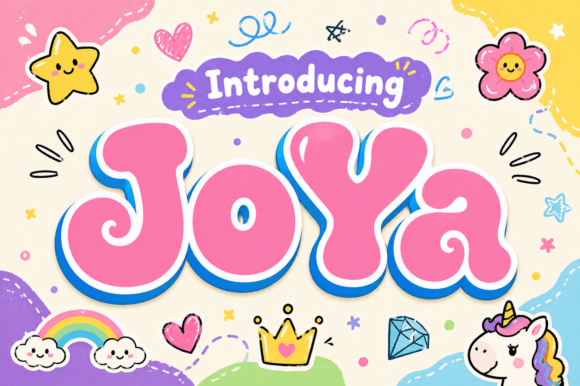
Joya is more than just a font—it's an experience. Designed to evoke the psychedelic energy of the 1960s and 1970s, this display font captures the essence of an era defined by experimentation, creativity, and boldness. With its fluid contours and dynamic shapes, Joya offers a unique visual language that bridges the gap between nostalgia and modernity. Whether you're a designer, a brand strategist, or a creative enthusiast, Joya brings a fresh perspective to your work, making it an essential tool in your design toolkit.
The Aesthetic of Joya: Where Nostalgia Meets Innovation
Joya is crafted with a deep understanding of retro aesthetics and contemporary design trends. Its characters are designed with organic, restive shapes that simulate a liquid-like dynamism. This fluidity gives the font a sense of motion, as if the letters themselves are alive and in constant flux. The intricate swirls and gracefully curved negative spaces create a distinct impression of fluidity, reminiscent of the swirling patterns found in classic psychedelic art.
What sets Joya apart is its ability to oscillate between whispers of nostalgia and unabashed modernity. It draws inspiration from the vibrant, colorful designs of the 1960s and 1970s while incorporating elements of high-contrast typography that resonate with today’s digital landscape. This balance makes Joya versatile enough to suit a wide range of applications, from branding to social media content.
Designing with Joya: A Playful and Versatile Tool
Joya’s playful vitality is one of its most appealing characteristics. The soft edges and absence of rigid straight lines give the font a warm, creative, and effervescent personality. This makes it particularly well-suited for projects that require a sense of fun and energy. Whether you're designing a logo for a streetwear label or creating a poster for a music festival, Joya adds a touch of whimsy that can elevate the overall aesthetic.
One of the key advantages of using Joya is its versatility. The font’s stark boldness ensures that it commands attention, making it an ideal choice for headlines and other prominent text elements. At the same time, its superlative curves allow for a level of refinement that suits more sophisticated design contexts. This duality means that Joya can be used in both casual and professional settings without losing its distinctive character.
In terms of practical application, Joya shines in environments where visual impact is crucial. For instance, in the realm of social media, the font’s retro-futuristic aesthetic can help brands stand out in a crowded digital space. Its ability to convey both energy and elegance makes it a strong contender for use in Instagram posts, TikTok videos, and other online platforms where first impressions matter.
Use Cases for Joya: From Branding to Digital Art
- Branding: Joya is an excellent choice for design agencies, lifestyle brands, and creative studios looking to make a bold statement. Its retro charm and modern appeal make it ideal for logos, packaging, and promotional materials.
- Social Media: In the fast-paced world of digital marketing, Joya can help brands create eye-catching content that resonates with younger audiences. Its vibrant style aligns well with the aesthetic of social media platforms like Instagram and Pinterest.
- Digital Art: Artists and designers who work with digital media will find Joya to be a valuable asset. Its fluid, almost liquid-like qualities make it perfect for creating posters, album covers, and other forms of visual storytelling.
- Event Design: Whether it's a music festival, a gallery exhibition, or a themed event, Joya can add a unique flair to signage, banners, and other visual elements that set the tone for the occasion.
Why Joya Stands Out in the World of Typography
In an industry where fonts are often chosen for their legibility rather than their visual impact, Joya is a rare exception. While it may not be the best choice for body text due to its ornamental nature, it excels in situations where the goal is to make a statement. The font’s inherent playfulness and retro-futuristic aesthetic make it a standout option for designers who want to push boundaries and explore new visual territories.
Moreover, Joya’s high-contrast design ensures that it remains readable even at smaller sizes. This is a significant advantage when working with digital interfaces, where clarity is paramount. The font’s ability to maintain its character and impact across different mediums—from print to screen—makes it a reliable choice for a variety of projects.
Considerations When Using Joya
While Joya offers many benefits, it’s important to consider its limitations. As an ornamental font, it may not be suitable for all types of content. For example, it might not be the best choice for long-form text or documents where readability is a priority. However, when used appropriately, Joya can enhance the visual appeal of any project without compromising functionality.
Another consideration is the font’s availability. Joya is typically available through specialized type foundries and design platforms. Designers should ensure they have access to the correct version of the font before embarking on a project. Additionally, it’s important to check licensing agreements to ensure that the font can be used in the intended context, whether it’s for commercial or personal use.
Conclusion: Embracing the Spirit of Joya
Joya is more than just a font—it’s a celebration of creativity, innovation, and retro-futurism. Its unique design and versatile applications make it a valuable addition to any designer’s repertoire. Whether you’re working on a branding project, a digital art piece, or a social media campaign, Joya has the power to transform your work into something truly memorable.
By embracing the spirit of Joya, designers can tap into a rich visual language that honors the past while looking toward the future. In a world where typography plays a crucial role in communication, Joya stands out as a font that not only looks great but also tells a story—one that is both nostalgic and forward-thinking.