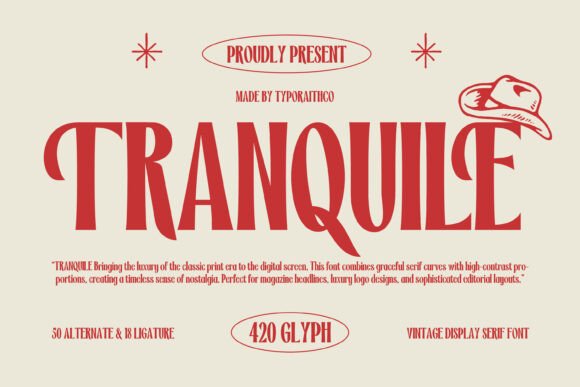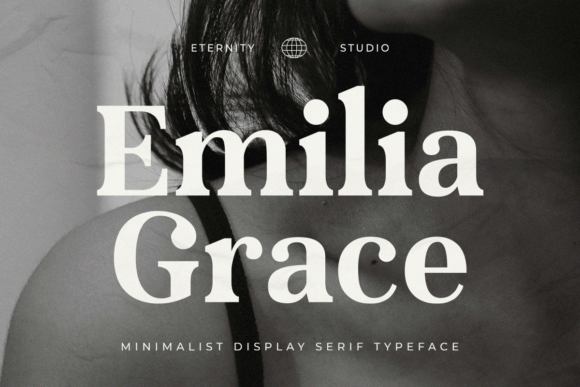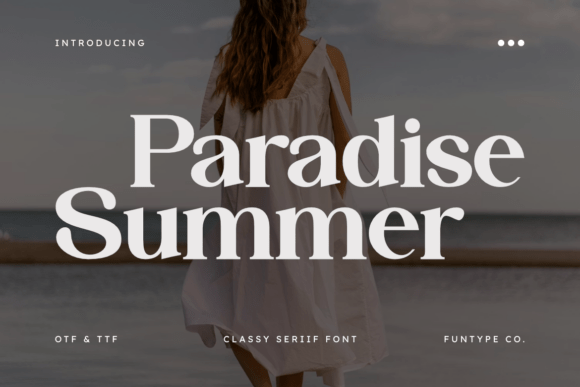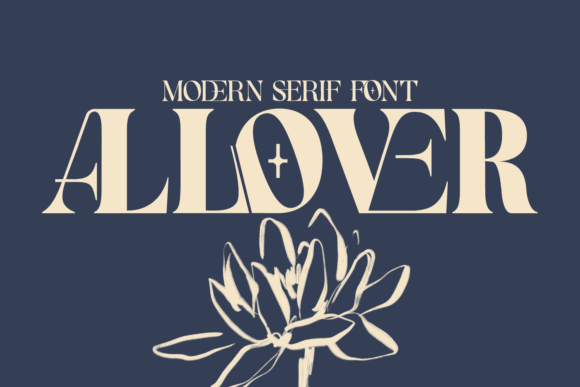
American Vintage: A Timeless Serif Font with a Nostalgic Touch
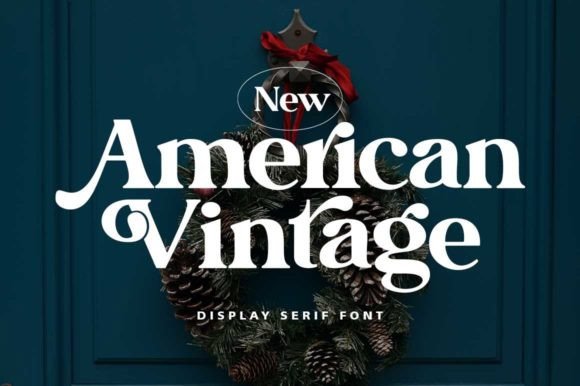
When it comes to typography, the right choice can make all the difference in how a design is perceived. American Vintage is more than just a font—it's a style statement that bridges the gap between past and present. This stylish serif font is designed to evoke the charm of classic American typography, bringing a sense of nostalgia and sophistication to any project.
American Vintage captures the essence of vintage Americana through its elegant curves and refined structure. It’s not just about looking old; it’s about feeling like you’ve stepped back in time. Whether you're designing a logo, crafting a headline, or creating editorial content, this font adds a touch of character that modern fonts often lack.
The Allure of Classic Typography
Typography has always played a crucial role in visual communication. From the earliest days of print to today’s digital age, the way words are presented can influence how they are received. American Vintage draws inspiration from the golden era of American design, where bold, legible, and ornate typefaces were the norm.
This font is particularly well-suited for projects that require a touch of elegance and tradition. Its serif design gives it a formal yet approachable feel, making it ideal for both print and digital media. Unlike some modern sans-serif fonts that prioritize minimalism, American Vintage embraces the richness of traditional typography, offering a level of detail that enhances readability and aesthetic appeal.
One of the standout features of American Vintage is its ability to convey personality. The subtle flourishes and consistent stroke widths give it a handcrafted look, which is especially effective in branding and advertising. Whether used in a restaurant menu or a fashion magazine cover, this font adds a layer of authenticity that resonates with audiences.
Practical Applications Across Industries
The versatility of American Vintage makes it a valuable asset across various industries. Let’s explore some of the most common use cases:
- Branding and Logo Design: Many businesses choose American Vintage for their logos because it exudes trust and reliability. It’s perfect for industries like hospitality, luxury goods, and real estate, where a classic aesthetic is often preferred.
- Editorial and Publishing: In magazines, newspapers, and book covers, American Vintage brings a sense of refinement and professionalism. Its readability ensures that even long texts remain engaging and easy to follow.
- Digital Media: With the rise of web design, American Vintage has found a place in online content as well. When properly optimized, it works well on websites, social media posts, and email campaigns, adding a nostalgic flair to digital platforms.
- Event and Print Materials: From invitations to posters, American Vintage adds a timeless quality that appeals to both younger and older demographics. It’s especially popular for weddings, historical events, and retro-themed promotions.
Each of these applications highlights the font’s ability to adapt while maintaining its core identity. Whether used in a small-scale project or a large-scale campaign, American Vintage offers a consistent and memorable visual experience.
Why Choose American Vintage Over Other Fonts?
In a world filled with countless font options, choosing the right one can be overwhelming. American Vintage stands out for several reasons:
1. Timeless Elegance: Unlike fonts that trend with the times, American Vintage remains relevant due to its enduring design. It’s not just a passing fad but a classic that continues to inspire designers.
2. Readability and Legibility: Despite its ornate appearance, American Vintage is surprisingly readable. The clear spacing and balanced proportions ensure that text remains easy to read, even at smaller sizes.
3. Versatility in Use: Whether used in print or digital formats, American Vintage performs well across different mediums. Its adaptability makes it a go-to choice for a wide range of creative projects.
4. Emotional Resonance: This font evokes a sense of nostalgia that connects with audiences on an emotional level. It’s not just about aesthetics—it’s about storytelling and memory.
These qualities make American Vintage a powerful tool for designers looking to create meaningful and impactful visuals.
How to Incorporate American Vintage into Your Workflows
Integrating American Vintage into your design workflow is straightforward, but there are a few best practices to keep in mind:
1. Pairing with Complementary Fonts: While American Vintage is visually striking on its own, it’s often paired with simpler sans-serif fonts for contrast. This combination helps maintain readability while keeping the design visually dynamic.
2. Testing for Different Sizes and Formats: Always test the font in various sizes and formats to ensure it looks great in both print and digital environments. Some details may become less visible at smaller sizes, so it’s important to adjust accordingly.
3. Using in Branding Consistently: If you’re using American Vintage as part of a brand identity, consistency is key. Apply it consistently across all materials—logos, packaging, websites, and social media—to reinforce brand recognition.
4. Exploring Customization Options: Some versions of American Vintage offer customization features, such as different weights and styles. Experiment with these options to find the best fit for your specific needs.
By following these tips, you can maximize the potential of American Vintage and ensure it enhances your designs rather than detracts from them.
Conclusion
American Vintage is more than just a font—it’s a design philosophy that honors the past while embracing the present. Its timeless elegance, practicality, and emotional resonance make it a standout choice for designers across multiple industries.
Whether you’re working on a small project or a large-scale campaign, American Vintage offers a unique blend of style and functionality that can elevate your work. By understanding its strengths and limitations, you can harness its power to create visually compelling and emotionally engaging designs.